2026-08-10 · Lightning Fast A/C & Heating · Lithia, FL
Why Is My AC Blowing Warm Air? The 7 Florida Causes (and What Each Costs)
Warm air from your vents in the middle of a Florida summer has seven usual suspects, here's each one, what it costs to fix, and the one thing to do before calling.
First: turn the system OFF, not just up
If your AC is running but blowing warm, switch it off at the thermostat before anything else. Two of the most common causes, a frozen evaporator coil and a struggling compressor, get worse (and more expensive) the longer the system limps along. Turning it off is free; ignoring it can turn a $250 repair into a $2,500 one.
1. Dirty condenser coil (≈$150-$300)
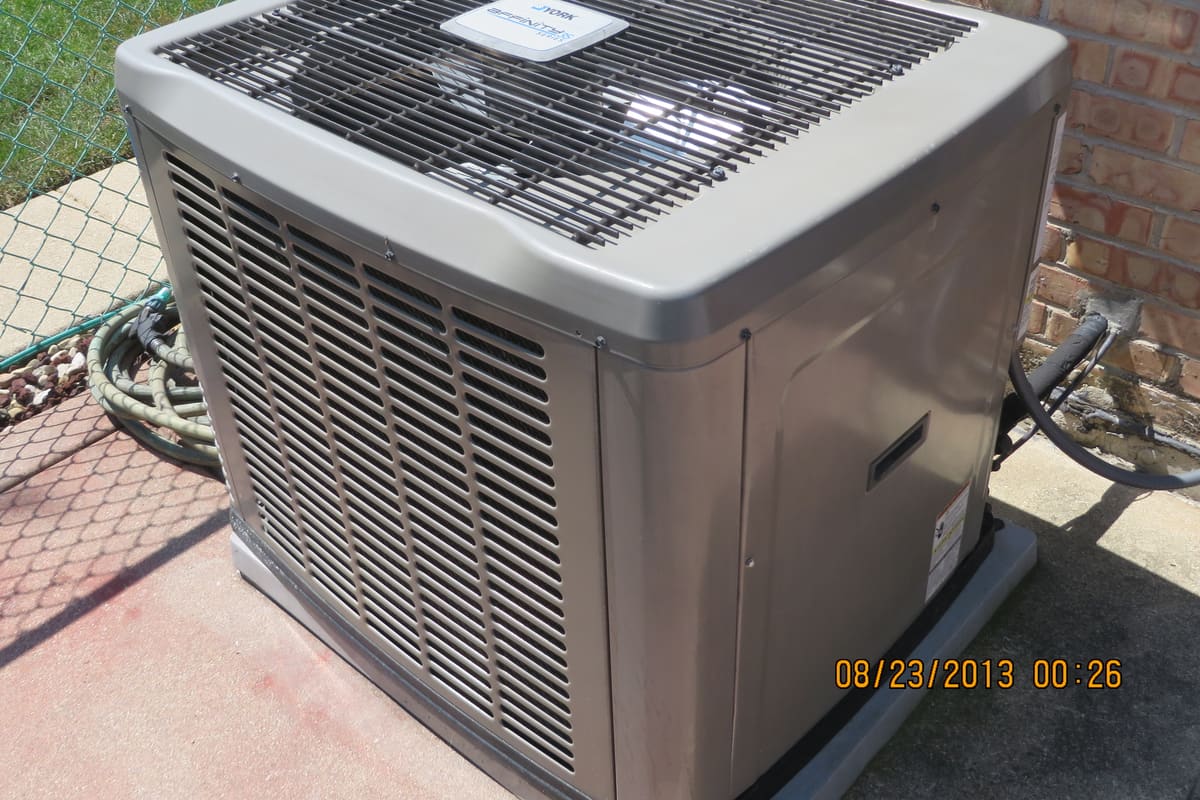
The outdoor unit's job is to dump heat, and a coil caked in Florida pollen, grass clippings and dust can't do it. The system runs constantly but the air barely cools. A professional coil cleaning restores capacity and is the single most common fix we make in Lithia, Valrico and Brandon.
2. Low refrigerant from a leak (≈$300-$1,500)
Refrigerant doesn't get 'used up', if it's low, it leaked. Symptoms: weak cooling, ice on the copper lines, hissing at the air handler. The honest fix is finding and repairing the leak, not just topping off gas every summer (a topping-off habit costs more within two years).
3. Failed capacitor (≈$150-$350)
Florida's #1 summer breakdown. The capacitor starts the compressor and fan motors; heat kills them by the thousands every July. Classic sign: inside fan blows (warm) air, outside unit hums but the fan doesn't spin. Cheap part, fast fix, our trucks always carry them.
4. Frozen evaporator coil (free-$400)
A dirty filter, weak blower or low refrigerant lets the indoor coil ice into a block that air can't pass through. Turn the system off, let it thaw 2-4 hours, replace the filter. If it refreezes, there's an underlying cause that needs a professional diagnosis.
5. Thermostat or wiring faults (≈$100-$400)
Sometimes 'broken AC' is a dead thermostat battery, a mis-wired smart thermostat, or a rubbed-through low-voltage wire. Heat pumps are especially vulnerable, one wrong wire and the system heats when it should cool.
6. Reversing valve stuck in heat mode (≈$450-$1,500)
Heat-pump-specific: the valve that flips between heating and cooling can stick, leaving you literally heating your house in August. Diagnosis is quick; repair cost depends on whether the valve needs coaxing or replacement.
7. Failing compressor (repair vs. replace decision)
The big one. A dead compressor on an older R-410A system usually makes replacement the smarter spend, and we'll show you the honest math both ways, plus financing that makes a new system manageable. On newer systems still under parts warranty, a compressor swap can absolutely be worth it.
How a technician diagnoses warm air, step by step
When our technician arrives, the diagnosis follows a logical order rather than a guess. We start at the thermostat to confirm it is calling for cooling and reading correctly, then check the air filter and return airflow, because starved airflow freezes coils and mimics a dozen other faults. At the outdoor unit we test the capacitor and contactor, verify the fan and compressor are running, and check the refrigerant pressures, which tell us whether the charge is low and roughly where a leak might be. We inspect the coil for dirt, the drain for backups, and the electrical connections for the heat damage that is so common in Florida. Only once we know the actual cause do we quote a price, in writing, before touching anything. That order matters because the symptoms of a $20 capacitor and a $2,000 compressor can look identical from your living room, and the only way to tell them apart is to measure, not assume.
How to prevent warm-air breakdowns in Florida
Most warm-air emergencies trace back to problems that were preventable. Change your filter every 30 to 60 days so airflow never gets starved. Keep the outdoor unit clear of grass clippings, mulch and shrubs, and rinse the coil gently with a hose a couple of times each summer so it can actually shed heat. Pour a cup of white vinegar into the condensate drain line every month or two to keep algae from clogging it. Most importantly, get a professional tune-up each spring, before the system faces peak demand, so a weak capacitor, a low charge, or a dirty coil is caught in the calm of April instead of failing on the hottest Saturday in July. None of this is glamorous, but in a climate where your AC runs nine months a year, it is the difference between a system that quietly reaches fifteen years and one that strands you at nine. A healthy system also runs more efficiently, which quietly lowers your power bill all season.
Warm air at night versus during the day
When the warm air started can actually point toward the cause. A system that cools overnight but loses the battle during the hottest part of a Florida afternoon is often slightly undersized, low on refrigerant, or fighting a dirty coil, it simply runs out of capacity when the heat load peaks, then recovers once the sun goes down. A system that blows warm around the clock, by contrast, usually has a hard failure: a dead capacitor, a stuck contactor, a failed compressor, or a refrigerant leak that has drained the charge. And a system that cools worse at night can hint at a thermostat or control problem. None of this replaces a real diagnosis, but noticing the pattern and mentioning it when you call helps us arrive with the right parts and a head start, which on a brutal summer day can be the difference between a same-visit fix and a return trip. It also helps you describe the problem accurately instead of just saying it is broken, which speeds up the whole process.
How fast can someone actually get to me?
If you're in Hillsborough County, Lithia, FishHawk, Valrico, Brandon, Riverview, Apollo Beach, Wimauma, Ruskin, Plant City or Tampa, Lightning Fast A/C & Heating guarantees a fast response, 7 days a week. Call (813) 743-2353 and we'll triage over the phone for free.