
2026-07-15 · Lightning Fast A/C & Heating · Lithia, FL
Heat Pump vs. AC with Electric Heat in Florida: Which Should You Buy?
Florida only heats a few weeks a year, so does a heat pump make sense? The honest math says yes for most Hillsborough County homes. Here's why.
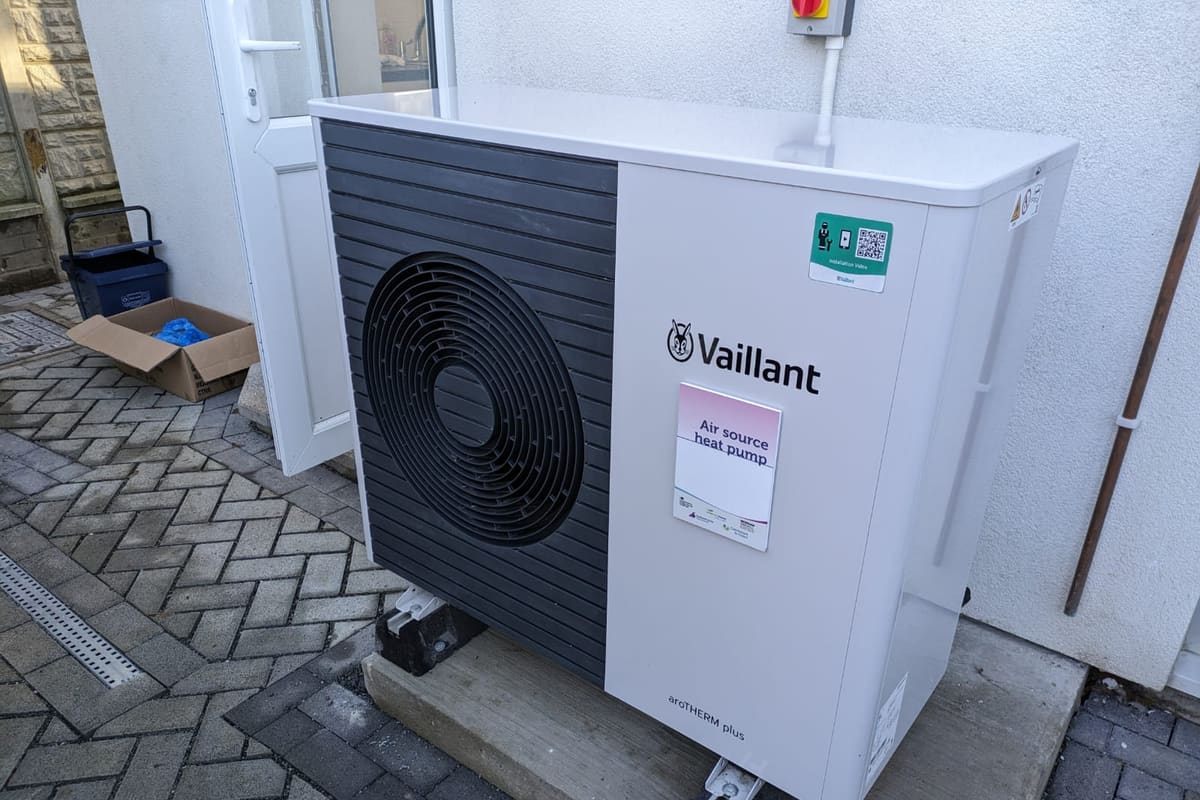
The 30-second answer
For most Hillsborough County homes: buy the heat pump. It cools identically to a straight-cool AC, heats for roughly one-third the running cost of electric strips, and the install price difference is modest. The exception: if you already have gas heat you're happy with, or the absolute lowest upfront price is the only goal.
Why electric strip heat is so expensive
Heat strips are giant toaster coils, every watt in, one watt of heat out. A heat pump moves heat instead of making it, delivering 3x or more heat per watt in Florida's mild winters. Those few cold snaps each January are exactly when we see strip-heated homes pull 10+ kW around the clock and produce February bill shock.
Cooling performance is identical
A heat pump IS an air conditioner, same components, same SEER2 ratings, plus a reversing valve. There is zero summer penalty for choosing one, and summer is 90% of the Florida HVAC year.
What a heat pump costs to run on a Florida winter morning
The running-cost gap is easiest to feel on a cold January morning. Electric strip heat converts electricity to heat one for one, so a home leaning on 10 kilowatts of strips around the clock during a cold snap racks up serious cost fast, which is where February bill shock comes from. A heat pump instead moves heat from the outside air, and even on a cool Florida morning there is plenty to move, delivering roughly three units of heat for every unit of electricity. Over our handful of genuinely cold weeks, that efficiency difference adds up to real money while keeping the house just as warm. The heat pump only falls back on its strips on the rare hard freeze, so you get the comfort without the constant strip-heat cost.
When straight-cool with electric heat still makes sense
We are not against straight-cool systems in every case, and honesty means saying so. If you already have a newer straight-cool AC that cools well and you only need occasional backup heat, replacing it purely to switch to a heat pump may not pay back quickly. Likewise, if you have reliable, inexpensive gas heat you are happy with, pairing it with a straight-cool AC can be reasonable. The heat pump wins decisively when you are replacing the system anyway, when your current heat is electric strips, or when you want one efficient system to handle both seasons. The point is to run your actual numbers rather than defaulting to a rule, and that is exactly what we do before recommending anything.
Maintenance keeps both seasons covered
Because a heat pump is your air conditioner and your heater in one, keeping it maintained protects you year-round. The same tune-up that verifies the cooling charge and cleans the coil also tests the reversing valve, the defrost control, and the backup heat, so the system is ready on both the hottest July afternoon and the coldest January morning. A neglected heat pump tends to reveal its heating faults on the first cold night of the year, when everyone switches over at once, which is the worst time to discover a problem. A simple fall check prevents almost all of those winter surprises.
Myths about heat pumps in Florida
A few stubborn myths keep homeowners from choosing the system that is usually right for them. The first is that heat pumps cannot keep a house warm, which comes from old technology and cold northern climates; in mild Florida winters a modern heat pump heats comfortably with ease, and the backup strips cover the rare hard freeze. The second is that the air feels cold, which happens only when a heat pump is undersized, poorly configured, or defrosting, all of which a correct install avoids. The third is that a heat pump is far more expensive to buy, when in reality the install cost difference over a straight-cool AC is modest, and the heating savings recover it quickly. The last is that they break down more because they run year-round; in practice a well-maintained heat pump is as reliable as any AC, and you are maintaining one system instead of two. Clearing up these myths usually makes the decision obvious for a Florida home.
What proper auxiliary heat setup looks like
The backup, or auxiliary, heat on a heat pump is where a lot of installs go wrong and quietly cost homeowners money. Configured correctly, the strips only engage on the coldest mornings when the heat pump needs a hand, or briefly during defrost. Configured poorly, which is common after a do-it-yourself thermostat swap, the strips kick on far too often or run alongside the heat pump when they should not, and the winter bill balloons without anyone realizing why. A correct setup matches the thermostat to the exact equipment, sets the proper balance point and lockout temperatures, and verifies that auxiliary heat behaves the way it should. This is one of the most common things we are called to fix, and it is exactly why we handle thermostat wiring and configuration as part of a heat pump install rather than leaving it to chance. Done right, you get dependable warmth on the cold mornings without paying for strip heat you never needed.
What we actually install around Lithia
In FishHawk, Valrico, Riverview and Wimauma's newer communities, heat pumps are our default recommendation, with correctly configured auxiliary strips for the coldest mornings. We size by real load calculation, pull the permits, and offer financing. Straight answers and a straight price: (813) 743-2353.