
2026-08-14 · Lightning Fast A/C & Heating · Lithia, FL
How to Lower Humidity in Your Florida Home (Even When the AC Runs)
If 74 degrees still feels clammy, your problem is humidity, not temperature. Here is why Florida homes stay sticky and how to actually fix it.
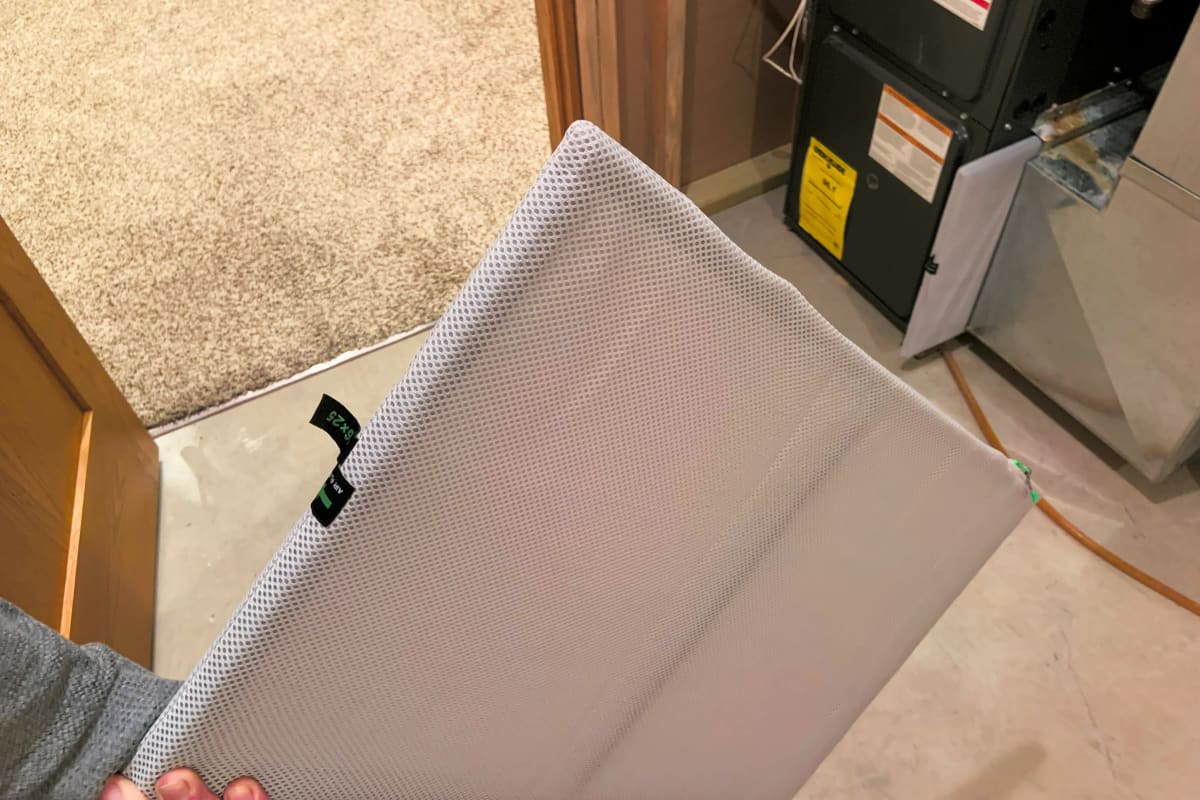
Comfort is about humidity, not just temperature
Indoor humidity should sit around 45 to 55 percent to feel comfortable. When it climbs past 60 percent, even a cool house feels damp, muggy and clammy, and you crank the thermostat down chasing a comfort that never comes. The fix is pulling moisture out of the air, not just chilling it.
Set the fan to AUTO, not ON
This is the free fix almost everyone gets wrong. With the fan set to ON, it runs constantly and re-evaporates the moisture sitting on the coil right back into your house. Set it to AUTO so the fan only runs during cooling cycles, letting that water drain away instead. It makes an immediate difference.
A right-sized, maintained system dehumidifies
An oversized AC cools fast and shuts off before it removes humidity, the classic cold-but-clammy house. A correctly sized system runs longer, steadier cycles that wring moisture out of the air. A dirty coil or low refrigerant also kills dehumidification, which is why an annual tune-up often fixes a sticky house on its own.
Whole-home dehumidifiers and fresh air control
For homes that stay humid even with a healthy AC, a whole-home dehumidifier tied into the ductwork holds a precise humidity level year round, including mild days when the AC barely runs. Sealing leaky ductwork and controlling attic and bathroom moisture help too. We can assess which combination your home actually needs.
Where all that indoor moisture comes from
Lowering humidity is easier when you know where it is coming from. In a Florida home, moisture pours in from several sources at once: humid outdoor air leaking through gaps, doors and unsealed ductwork, daily living activities like showering, cooking and running the dishwasher, and damp spaces like a garage or an unsealed attic that share air with the house. Leaky return ducts in a muggy attic are a especially sneaky culprit, because they actively pull damp attic air into the system. Even houseplants and a crawl space can contribute. The reason this matters is that no single gadget fixes humidity if the sources are left wide open, so the real solution usually pairs a system that dehumidifies well with sealing the biggest leaks and venting the wettest activities. Addressing the sources is what makes the comfort stick instead of fighting a losing battle.
Why high humidity is more than a comfort issue
Chronic indoor humidity is not just uncomfortable, it causes real problems. Above about 60 percent, moisture feeds mold and mildew on walls, in closets, and inside the air handler, which is the source of that musty smell when the AC starts. It supports dust mites, a common allergy and asthma trigger, and over time it can warp wood floors and doors and leave a clammy film on everything. It also pushes you to run the thermostat colder chasing comfort, which raises your bill without solving the underlying problem. Getting humidity into the healthy 45 to 55 percent range protects your home, your belongings, and your family's health, and it lets you stay comfortable at a higher, cheaper thermostat setting. That combination of health and savings is why humidity control is one of the best investments a Florida homeowner can make.
How to measure your indoor humidity
You cannot manage what you do not measure, and an inexpensive hygrometer, available for a few dollars, takes the guesswork out of a sticky house. Place one in your main living area and aim to keep the reading between 45 and 55 percent. If it sits consistently above 60 percent even while the AC runs, you have a humidity problem to solve, not just a temperature one, and the reading helps you tell whether a change actually worked. Many smart thermostats also display indoor humidity, which makes it easy to watch the trend over a day. Pay attention to when the number climbs: a spike after showers points to bath exhaust, a steady high reading on mild days when the AC barely runs points toward needing dedicated dehumidification, and a reading that improves the moment you switch the fan from ON to AUTO confirms that re-evaporation was part of the problem. A simple gauge turns a vague clammy feeling into a specific number you can actually act on.
Why chasing it with a colder thermostat backfires
The instinct when a house feels muggy is to push the thermostat down, but that often makes things worse rather than better. Setting a lower temperature does not directly remove moisture; it just runs the system to a cooler air temperature, and if the AC is oversized it may reach that lower setpoint even faster and shut off sooner, giving it even less time to dehumidify. The result is a house that is now cold and clammy, plus a bigger electric bill. Real comfort comes from lowering the moisture so that a normal, efficient temperature like 76 to 78 degrees actually feels good. That is why the fixes that work, the AUTO fan setting, a right-sized and maintained system, sealed ductwork, and dedicated dehumidification when needed, all target moisture rather than temperature. Once humidity is in the healthy range, most people find they are comfortable at a warmer, cheaper setting than they ever expected, which is the opposite of the cold-and-clammy trap.
Fix the sticky-house feeling for good
If your home feels damp no matter where you set the thermostat, Lightning Fast A/C & Heating can find the real cause, sizing, maintenance, ductwork or dehumidification, across Lithia, Brandon, Riverview and all of Hillsborough County. Call (813) 743-2353.