2026-08-14 · Lightning Fast A/C & Heating · Lithia, FL
Why Is My Electric Bill So High? 12 Ways to Lower Florida Cooling Costs
Air conditioning is the biggest line item on a Florida summer power bill. Here are twelve ways to bring it down, most of them free or cheap.
The free fixes first
Start where it costs nothing: set the thermostat to 78 when home and higher when away (each degree cooler adds 6 to 8 percent), switch the fan to AUTO so it stops re-humidifying the house, close blinds on sun-facing windows, and use ceiling fans so you feel comfortable a couple degrees warmer. These four alone often shave a noticeable amount off the bill.
Change the filter and clear the coil
A clogged filter and a dirty outdoor coil make the system run longer for less cooling. Change the filter every 30 to 60 days and gently rinse the outdoor unit with the power off. A dirty coil and low charge can cut efficiency 20 to 30 percent, which shows up directly on your TECO bill.
Seal the ductwork and add insulation
In a 130-degree Florida attic, leaky ducts dump the cool air you paid for into the attic, wasting up to a third of your cooling. Sealing ducts and topping up attic insulation are among the highest-return improvements a Florida home can make.
Upgrade the thermostat and the system
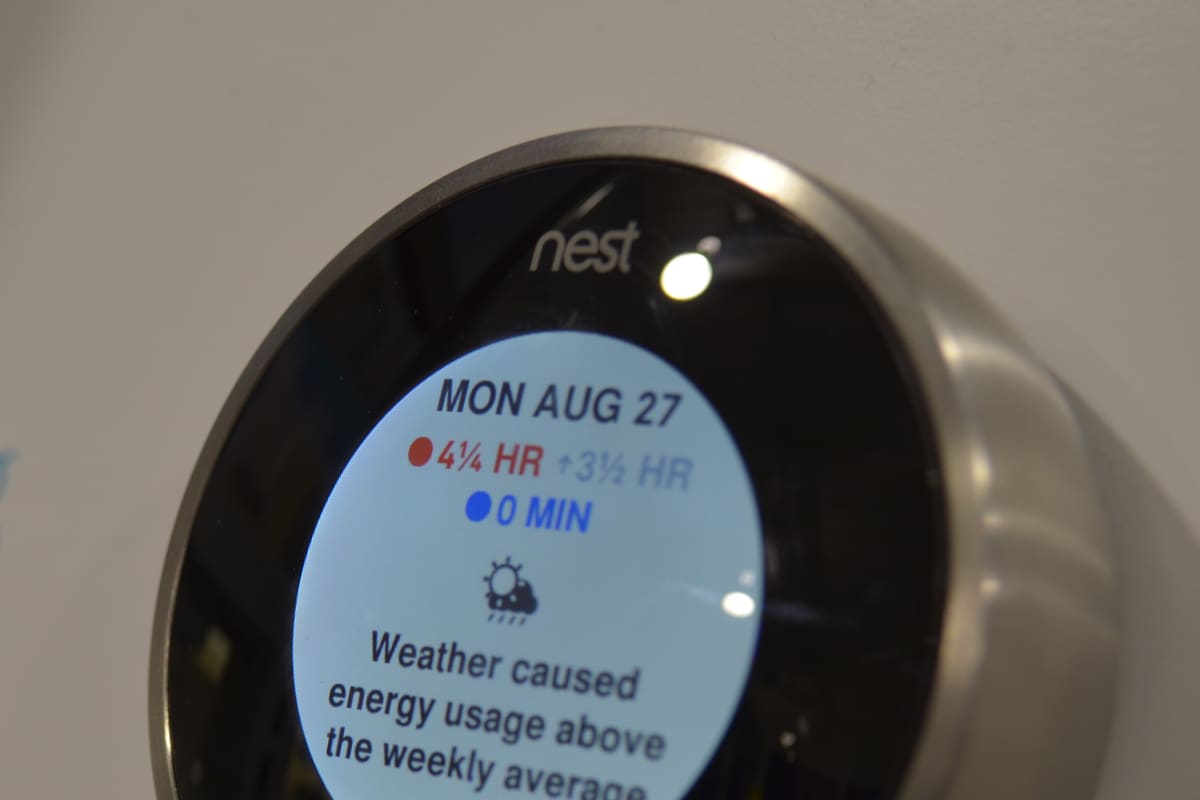
A smart thermostat trims cost automatically with schedules and away modes. And if your system is old and inefficient, a modern 15 to 17 SEER2 unit can cut cooling energy substantially, financing spreads the cost while the savings start immediately.
Why cooling dominates a Florida power bill
It helps to understand why air conditioning is such a large share of the bill here. In most Hillsborough County homes, cooling is by far the biggest electrical load, often half or more of the summer bill, because the system runs for a huge portion of the day across our nine-month season. That is very different from a northern home where heating and cooling are spread across milder shoulder seasons. The practical upshot is that small improvements to cooling efficiency have an outsized effect on your total bill here, far more than, say, swapping a few light bulbs. It also means that an aging or poorly maintained AC quietly costs you more every single month, and that the fixes with the biggest payback are almost all AC related: sealing ducts, cleaning coils, right-sizing the system, and keeping the charge correct.
Habits that quietly add up all summer
Beyond the big-ticket fixes, a handful of daily habits keep the bill down without any sacrifice in comfort. Use ceiling and portable fans so you feel comfortable a couple of degrees warmer, since moving air feels cooler on the skin. Cook with the microwave, air fryer, or grill on the hottest days instead of the oven, which dumps heat straight into the house. Run heat-generating appliances like the dryer and dishwasher in the cooler evening hours. Keep supply vents open and unblocked so the system is not fighting itself, and close blinds on the sunny side during the afternoon. None of these cost anything, and together they ease the load on the AC during the hours electricity demand and heat are both at their peak. Stacked on top of a maintained, efficient system, they add up to a meaningfully smaller bill.
The thermostat settings that actually save money
How you run the thermostat has an outsized effect on a Florida bill. The widely cited sweet spot is 78 degrees when you are home and awake, with a setback to the low 80s when you are away at work or asleep, because every degree cooler adds roughly 6 to 8 percent to cooling cost over time. A programmable or smart thermostat makes this automatic, so you are not cooling an empty house all day or an over-chilled one all night. The key is gradual, scheduled setbacks rather than dramatic swings, since letting the house get very hot and then cooling it back down can erase the savings. Pair the setback with the fan on AUTO so the system is not re-humidifying between cycles, and let humidity control do some of the comfort work so a slightly warmer setting still feels fine. Dialed in this way, the thermostat quietly trims a meaningful chunk off the summer bill with zero loss of real comfort, which is why it is one of the first things we help customers optimize.
When a high bill signals a problem, not just a hot month
Sometimes a jump in the electric bill is not about habits or weather, it is the system telling you something is wrong. A sudden, unexplained spike, a bill that climbs steadily year over year at the same usage, or cooling that gets weaker while the bill rises all point to a system losing efficiency. Common culprits are a low refrigerant charge from a slow leak, a dirty coil that cannot shed heat, leaky ductwork bleeding cool air into the attic, or an aging system simply past its efficient years. These problems waste money every single day until they are found, and they tend to get worse, so a bill that keeps creeping up is worth a diagnostic visit rather than a shrug. Often a tune-up that corrects the charge and cleans the coil restores the lost efficiency and pays for itself quickly; occasionally the honest answer is that an old system has become expensive enough to run that replacement is the smarter long-term spend. Either way, a rising bill is data worth acting on.
The fastest win: a tune-up
A professional tune-up cleans the coil, corrects the refrigerant charge, and restores lost efficiency, often paying for itself within a billing cycle or two. Book one across Lithia, Brandon, Riverview and all of Hillsborough County: (813) 743-2353.