2026-08-14 · Lightning Fast A/C & Heating · Lithia, FL
How to Prepare Your AC for a Florida Hurricane (Before and After the Storm)
Hurricane season runs June through November in Florida. A few simple steps protect your AC from storm damage and get you cooling again safely once power returns.
Before the storm: shut it off
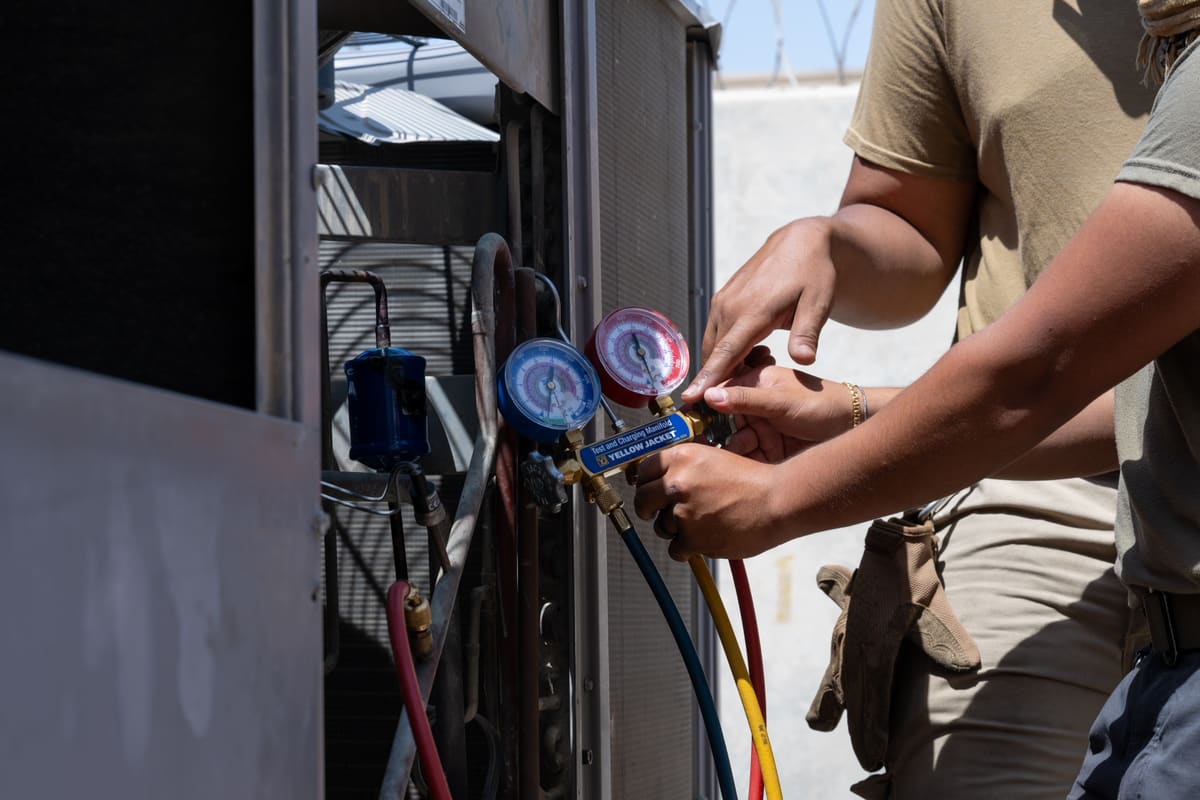
When a hurricane or major storm is bearing down, turn your AC completely off at the thermostat AND the breaker before the worst of it hits. Power surges and flickers during a storm are the number one way electronics and compressors get fried. Turning it off protects the most expensive part of your system from a surge.
Before the storm: protect the outdoor unit
Clear loose yard items, branches and furniture that could become projectiles and slam into the condenser. Do NOT fully wrap or cover the unit in plastic (it traps moisture), but a manufacturer-approved cover or a secured tarp for flying debris is fine short term. If flooding is likely and the unit can be safely elevated or you have a portable one, move it, but never risk your safety for equipment.
Consider a surge protector
A whole-home or dedicated HVAC surge protector is cheap insurance in lightning-and-storm-prone Florida. It absorbs the spikes that follow outages and grid switching, protecting the compressor and control board. We can add one during any service visit.
After the storm: wait before restarting
Once power is restored, wait a few minutes for the grid to stabilize before switching the AC back on, and give the system its normal delay. If the outdoor unit was flooded, hit by debris, or is making new noises, do NOT run it, water and grit inside electrical components can cause shorts and further damage. Have it inspected first.
What storm damage to an AC actually looks like
After a hurricane, AC damage falls into a few categories, and knowing them helps you avoid making things worse. Surge damage from lightning or grid switching often fries the control board or capacitor, so the system may be dead or behave erratically even though it looks untouched. Flood damage is the most serious, because water and grit inside the condenser or air handler can short electrical components and ruin bearings, which is why a unit that sat in standing water should never be switched on until it is inspected. Debris damage, bent fins, a cracked fan blade, or a shifted unit, can seem cosmetic but often hides a refrigerant leak or an out-of-balance fan. And a simple extended outage can trip breakers or confuse a smart thermostat. If your system does anything unusual after a storm, the safe move is to leave it off and have it checked rather than forcing it.
A pre-season check beats a post-storm scramble
The calmest time to deal with storm season is before it arrives. A pre-season inspection confirms your system is sound, your drain is clear, and your electrical connections are tight, and it is the perfect moment to add a surge protector that will absorb the spikes that follow outages. It is also worth photographing your outdoor unit and noting its model and serial numbers now, because that documentation makes any post-storm insurance claim far smoother. Hurricane season runs from June through November in Florida, so there is a long window where a single proactive visit can save you from a frantic, hot scramble after the next storm. We are glad to fold a storm-readiness check into any service visit.
Protecting a whole-home system versus a window unit
How you prepare depends a little on what you have. For a central system, the priorities are shutting it down at the breaker before the storm to avoid surge damage, clearing debris that could hit the outdoor condenser, and, if serious flooding is possible, understanding that a condenser which sits in standing water should not be run until it is inspected. For window and portable units, the storm plan is simpler: remove window units entirely if you can, since they are a weak point for both water intrusion and wind-driven rain, or at minimum seal around them well and unplug them. In both cases the outdoor or exposed components are what take the beating, so the goal is to minimize what can strike them and to cut power so a surge cannot travel through the system. A few minutes of preparation before the storm routinely saves a compressor or control board that would otherwise be the first casualty of the next outage.
Generators, portable AC, and staying cool after a storm
Power often stays out for a while after a major Florida storm, so it is worth thinking through how you will stay cool before one hits. A whole-home or large portable generator can run a central system, but only if it is sized for the substantial startup load of an air conditioner, which many smaller units are not, so check the numbers rather than assuming. A window unit or a portable AC paired with a modest generator can keep at least one room comfortable, which is often enough to ride out an outage safely, especially for a bedroom at night. Keep the house closed up and shaded during the day to hold whatever cool you have, and use battery fans to stretch comfort further. Planning this out in advance, rather than scrambling in the heat after the grid goes down, is part of being genuinely storm-ready in a climate where the power and the heat so often arrive hand in hand.
Storm damage? We respond fast
If your AC took a hit or will not restart after a storm, Lightning Fast A/C & Heating runs emergency service 7 days a week across Hillsborough County, with the same fast-response promise. We will inspect for surge, flood and debris damage and get you cool again safely. Call (813) 743-2353.