2026-08-14 · Lightning Fast A/C & Heating · Lithia, FL
10 Signs It's Time to Replace Your AC in Florida
Florida runs air conditioners harder than almost anywhere. Here are the ten clearest signs your system is on its way out, and when replacing beats repairing.
1. It is more than 10 to 12 years old
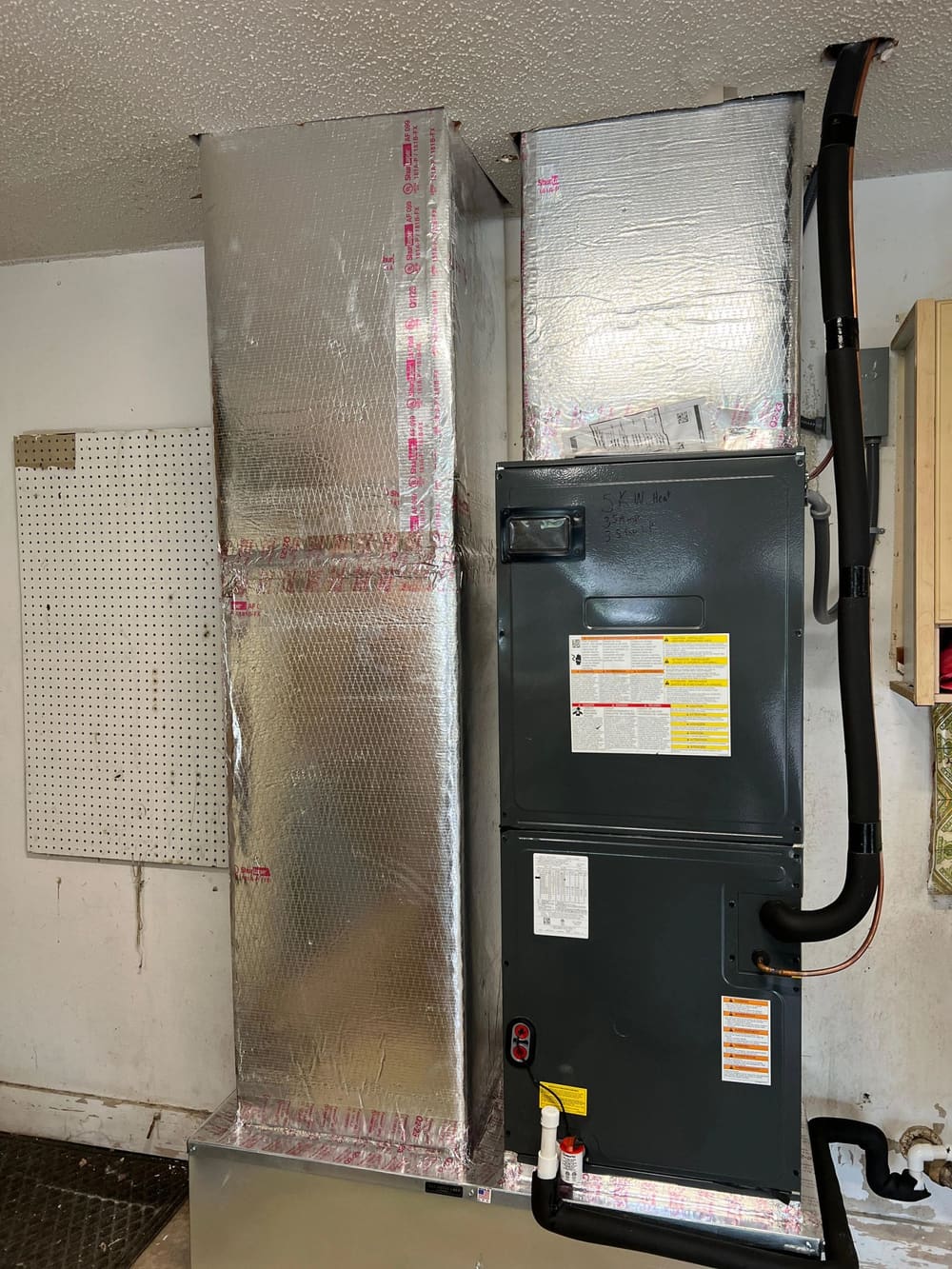
Florida systems typically last 10 to 15 years, versus 15 to 20 up north, because they run most of the year in heat and humidity. Past the 10-year mark, efficiency drops and the odds of a major failure climb every summer.
2. Your electric bills keep climbing
If the bill goes up while your usage stays the same, the system is losing efficiency. An aging or struggling AC quietly costs more every month, and that creep often adds up to more than a payment on a new, efficient system would.
3. Repairs are getting frequent or expensive
One repair is normal. Two or three in a couple of seasons, or a single repair worth more than a third of a new system, is money better put toward replacement. Our rule of thumb: repair cost times the system's age in years; over about $5,000 and you should be pricing replacement.
4. It uses R-22 (Freon) refrigerant
R-22 was phased out and is now extremely expensive when a leak needs recharging. If your system still runs on R-22, any significant refrigerant repair usually tips the math toward a modern, cheaper-to-run unit.
5. Some rooms never get comfortable
Hot or humid rooms, or a house that never quite cools evenly, can mean the system can no longer keep up, or that ductwork and sizing are wrong. Either way it is worth an honest assessment.
6 through 10: the other warning signs
Rounding out the list: (6) rising humidity and a clammy feel even when it is cool, (7) strange noises like grinding or banging, (8) frequent short cycling, (9) dust or musty odors that will not go away, and (10) the system simply cannot keep up on the hottest August afternoons. Two or more of these together usually means replacement is the smarter spend.
The honest repair-or-replace math
When two or more of these signs show up, the question becomes whether to keep repairing or replace, and there is a simple way to think about it. Multiply the repair quote by the age of the system in years. A $500 repair on an eight-year-old unit scores 4,000, which favors repair; the same repair on a fourteen-year-old unit scores 7,000, which leans toward replacement. Also weigh what the repair does not fix: patching one failure on an aging R-22 system still leaves you with an inefficient unit likely to fail again soon. The goal is not to spend the least today, it is to spend the least over the next several years, and sometimes a repair that keeps a tired system limping is actually the more expensive path. We lay out both numbers so you can decide with facts, not pressure.
What a new system actually changes
Homeowners are often surprised by how much a modern system improves daily life beyond just working. A correctly sized, efficient unit cools more evenly, so the hot rooms finally match the rest of the house. It dehumidifies properly, erasing the clammy feeling that made you crank the thermostat down. It runs quieter, and it runs less, which shows up as a lower bill month after month through our long cooling season. Newer systems also use modern, lower-cost refrigerants and come with fresh warranties, so you are not one leak away from a major expense. When you add up the comfort, the humidity control, the lower bills, and the peace of mind, replacing a system that is genuinely done often feels less like a cost and more like a relief, especially with financing spreading it out.
How Florida ages a system faster
The reason these warning signs show up sooner here than up north comes down to workload. A Florida air conditioner runs the better part of nine months a year, often from early morning well into the night, in relentless heat and humidity. That is roughly double the annual runtime of a system in a northern climate, and every hour of runtime is wear on the compressor, the capacitor, the fan motors, and the coil. Salt air near the coast accelerates corrosion on top of that, and our humidity keeps coils and drain pans damp, which invites biological growth. The practical result is that the 15-to-20-year lifespan quoted in national averages becomes more like 10 to 15 years here, and a neglected system can fade even faster. None of this means a Florida system is doomed early, good maintenance genuinely extends its life, but it does mean the warning signs deserve to be taken seriously rather than ignored, because equipment here is simply working harder for more of the year than almost anywhere else in the country.
Get a straight answer, not a sales pitch
We diagnose honestly and only recommend replacement when the math actually favors it, which our Google reviews back up. If a new system does make sense, we size it correctly and offer financing. Free replacement estimates across Hillsborough County: (813) 743-2353.